


call us today304-961-6338
Is West Virginia One of America’s Stop and ID States?
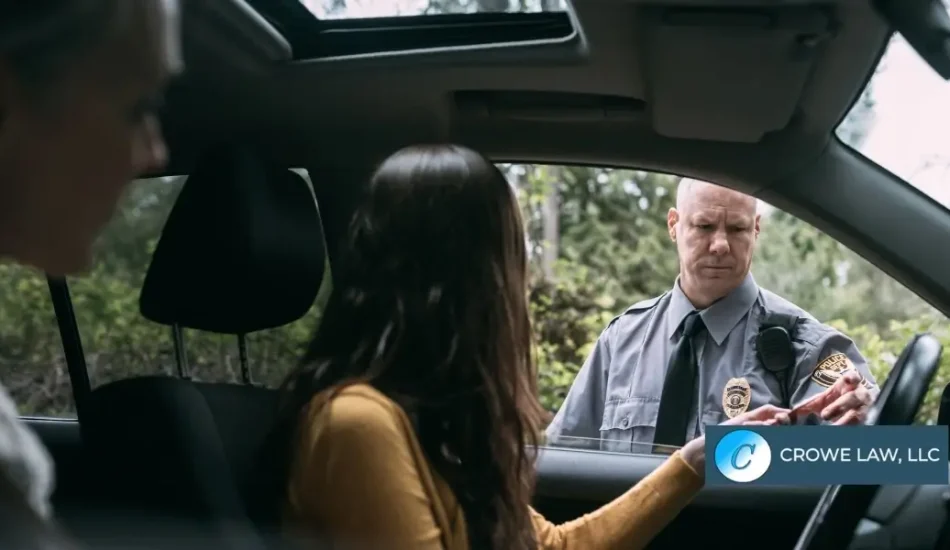
Many people in the state ask, “Is West Virginia one of America’s stop and ID states?” This is an important question if you are a West Virginia resident. Understanding your rights as a citizen is critical. If you’ve been stopped by law enforcement and you believe that your rights were violated, you should speak with an attorney immediately. They can be a great resource because they can investigate your case, review the available evidence, and advise you on the necessary next steps to take.
What Is Stop and Identify?
Stop and identify laws are in place to give law enforcement officers the ability to request identification from individuals. Officers will usually do this if they suspect some suspicious or criminal activity. Individuals typically have to provide their name, date of birth, address, and other information that appears on driver’s licenses. Officers may request identification during a lawful detention based on reasonable suspicion, but individuals are generally only legally required to identify themselves in certain circumstances depending on state law and the nature of the stop.
The idea is that officers can gather evidence and identify suspects quickly when investigating a crime. Other benefits include ensuring public safety and verifying compliance.
Is West Virginia a Stop and Identify State?
West Virginia is not considered a stop and identify state. These laws are not codified in the West Virginia statutes. Law enforcement officers must have reasonable suspicion of criminal activity before detaining and requesting identification during an investigatory stop. A typical crime where your ID may be requested is driving while under the influence of drugs or alcohol.
In West Virginia, you are generally not required to provide identification unless you are lawfully detained or arrested. However, during a lawful traffic stop, you are required to provide driver’s license, vehicle registration, and proof of insurance. You can refuse to comply and invoke your right to remain silent, but keep in mind that will likely raise the officer’s suspicions and prompt further investigation.
Reasonable Suspicion and Probable Cause
Compared with probable cause, reasonable suspicion poses a lower threshold. It doesn’t require the same amount of certainty on the part of law enforcement. It does allow officers to stop a suspect, however.
Probable cause is a higher standard, and it’s required before officers can conduct a search, obtain a warrant, and make an arrest. This exists when there’s reasonable enough evidence to lead one to believe that a crime has been committed, is being committed, or is about to be committed. It doesn’t need to be an absolute certainty, but it does have to be more than just a suspicion.
FAQs
What States Are Stopping ID States?
Some states that are stop-and-identify states include Arkansas, Alabama, Arizona, Colorado, Delaware, Georgia, and Illinois among others.. This means that officers in these states could stop individuals suspected of committing a crime, and these individuals are legally obligated to identify themselves to law enforcement.
In West Virginia, individuals are not required to identify themselves unless they are lawfully detained, and drivers must still provide required documentation during traffic stops. For further questions related to stop and ID law, you should speak with a lawyer.
What Is the Purpose of Stop and ID in Law Enforcement?
The purpose of stop and ID in law enforcement is to detect and prevent criminal activity from happening. Stop and ID laws allow police officers to collect identification information during encounters with potential suspects. It’s intended not only to aid in thwarting criminal activity but also to help solve ongoing criminal cases. Finally, it can help improve the safety of law enforcement officers.
However, West Virginia doesn’t have stop and ID laws, so residents aren’t required to present IDs, except in certain situations.
How Can a Lawyer Help Me?
A lawyer can be a great resource for you if you have questions about stop and ID laws in West Virginia. Not only can a lawyer provide quality legal advice, but they can also represent you in court if necessary. If you’ve been pulled over by law enforcement and you believe that your legal rights were violated, you should promptly speak with a lawyer. They can review your case, analyze the evidence, and prepare a legal defense on your behalf.
What Is a Concern for Stop and ID States?
One concern for stop and ID states is that law enforcement may abuse their power. While the intention behind the statute is to enhance community safety and prevent criminal activity, law enforcement can sometimes abuse the implementation of this statute. Some argue that it gives police officers too much discretion and allows them to detain people without proper justification. The good news for West Virginia state residents is that law enforcement shouldn’t be practicing this concept, as it is not permitted.
What Should I Do If I’m Stopped by a Police Officer in West Virginia?
You should remain calm and comply with lawful orders while also understanding your right to remain silent and your right to refuse consent searches. Keep control of your movements, and do not take any sudden or abrupt actions. Maintain a steady demeanor, and follow the officer’s instructions carefully. This can help prevent any further unnecessary escalation.
Any time you’re pulled over by a police officer, it can be a stressful situation. Remember to keep your emotions under control. Even if you disagree with the officer, you can contact an attorney later.
Contact Crowe Law, LLC
Understanding West Virginia laws and your rights under them can be difficult without experienced legal help. As a West Virginia resident, it’s important that you remain aware of the laws in your state and your legal rights as a citizen. An attorney can be a good resource to lean on. They can educate you on your rights, review your legal case, and defend you if you need it.
Crowe Law, LLC, can provide the legal support you need. Our experienced team has helped countless West Virginia residents with their legal cases. We understand how to navigate the West Virginia legal court system. We have the resources to thoroughly investigate your case and determine if any rights have been violated. If you have been stopped by a police officer and you believe that your rights were violated, contact us immediately to see how we can help.
Contact Us Today!
Crowe Law, LLC
Looking for legal representation in West Virginia or Pennsylvania? Contact us today to schedule a free consultation and learn how we can help you seek the justice and compensation you deserve.
schedule a consultation
304-961-6338
Schedule A Free
Consultation
Fields marked with an * are required
"*" indicates required fields

© Copyright 2026 Crowe Law, LLC. All rights reserved.
Disclaimer | Site Map | Privacy Policy |
Digital Marketing By 
*Images are obtained under license from Canva and other third-party stock image providers, with attribution included where required.